
The Hybrid Dispatcher: How AI Cuts Costs While Humans Steer the Ship
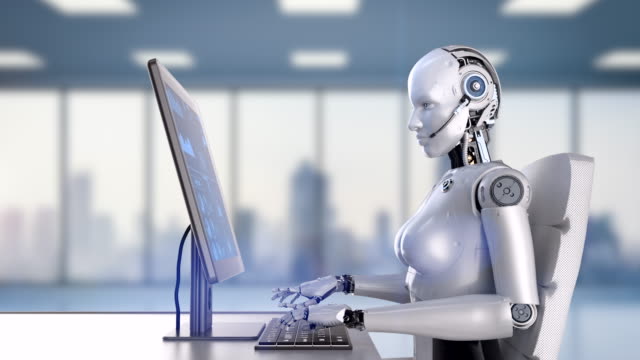
It’s Friday night. It’s pouring rain. A major concert just ended in the city center. In your dispatch office, the phones are lighting up like a Christmas tree. Your current dispatchers are working as fast as they can, but for every call they answer, three more go to voicemail. After 30 seconds on hold, those three potential customers hang up and open a ride-sharing app or call your competitor.
The Hybrid Dispatcher
AI Efficiency + Human DecisionModern dispatching is failing under the weight of "Big Data." From logistics to emergency response, the challenge isn't getting information—it's surviving it. The Hybrid Dispatcher model utilizes AI to handle the volume while humans retain the final, critical command.
Traditional dispatch centers spend 80% of their time filtering false positives. Whether it's a faulty sensor or a non-critical alert, this "Noise Tax" drains resources and causes decision fatigue.
Result: AI removes the noise so humans focus only on the 10% that matters.
Scaling a dispatch center used to mean hiring more heads. With AWS Lambda and Amazon EventBridge, you scale through compute, not headcount.
By automating the initial triage, organizations reduce Operational Expenditure (OPEX) by up to 40%. You no longer pay for "waiting time"—you pay for action.
Raw data is useless to a responder in the field. The Hybrid Dispatcher uses Amazon Bedrock to synthesize complex telemetry into Executive SITREPs.
- Instant Synthesis: AI converts 50+ data points into one clear sentence.
- Contextual Awareness: AI flags weather, traffic, and resource availability before the human even picks up the radio.
- The Human Anchor: Humans review the AI's "suggestion," ensuring that ethics and nuance steer the final response.
AI is excellent at pattern recognition but terrible at accountability. The "Hybrid" approach ensures that while the machine optimizes the route, the human manages the mission.
"AI provides the speed of a jet engine, but the human dispatcher remains the pilot in the cockpit. Speed is dangerous without direction."
The Bottom Line
The Hybrid Dispatcher isn't about replacing people—it's about making them indispensable again by removing the clerical burden of data management.